Product direction & scope
Shaping squad scope, proposing features and aligning direction with leadership.
AI authoring projectProduct management / AI / Education
At MeeOpp, I work on AI authoring, learner feedback and curriculum tools. I shape the work with the team, write and test prompts, and use AI-assisted development to deliver parts of the product myself.
Each of these shows up in the work below.
Shaping squad scope, proposing features and aligning direction with leadership.
AI authoring projectTurning pedagogy feedback into prompt changes and checks against the intended task.
Learner feedback projectBuilding curriculum tools, staff reporting and grading checks with AI-assisted development.
Curriculum projectCoordinating with leadership, pedagogy, design and engineering; hiring and supervising a freelance artist.
Games & creative workFour examples from MeeOpp, with a clear account of my role and what was delivered.
I shaped the squad’s initial scope, wrote and iterated prompts, and coordinated content review with pedagogy and engineering.
Recreated workflow showing my role and the team’s responsibilities.
I designed and built curriculum capabilities spanning a document-driven planner, different learning paths and staff reporting, then stayed involved through rollout.
Illustrative course with synthetic content. The review step reflects a real product decision.
Pedagogy flagged feedback that was mechanical, repetitive and too abrupt. I revised the prompts, brought new examples back for review and implemented summary changes in the backend.
The response demonstrates partial inferential competency but lacks explicit evidence linkage.
You found a useful clue. Next time, explain how it supports your answer.
Synthetic examples written for this portfolio, rather than actual learner feedback or measured results.
My work at MeeOpp started with planning, designing and implementing educational games. I also hired and supervised a freelance game artist, from onboarding and briefs to asset reviews and animation handoffs.
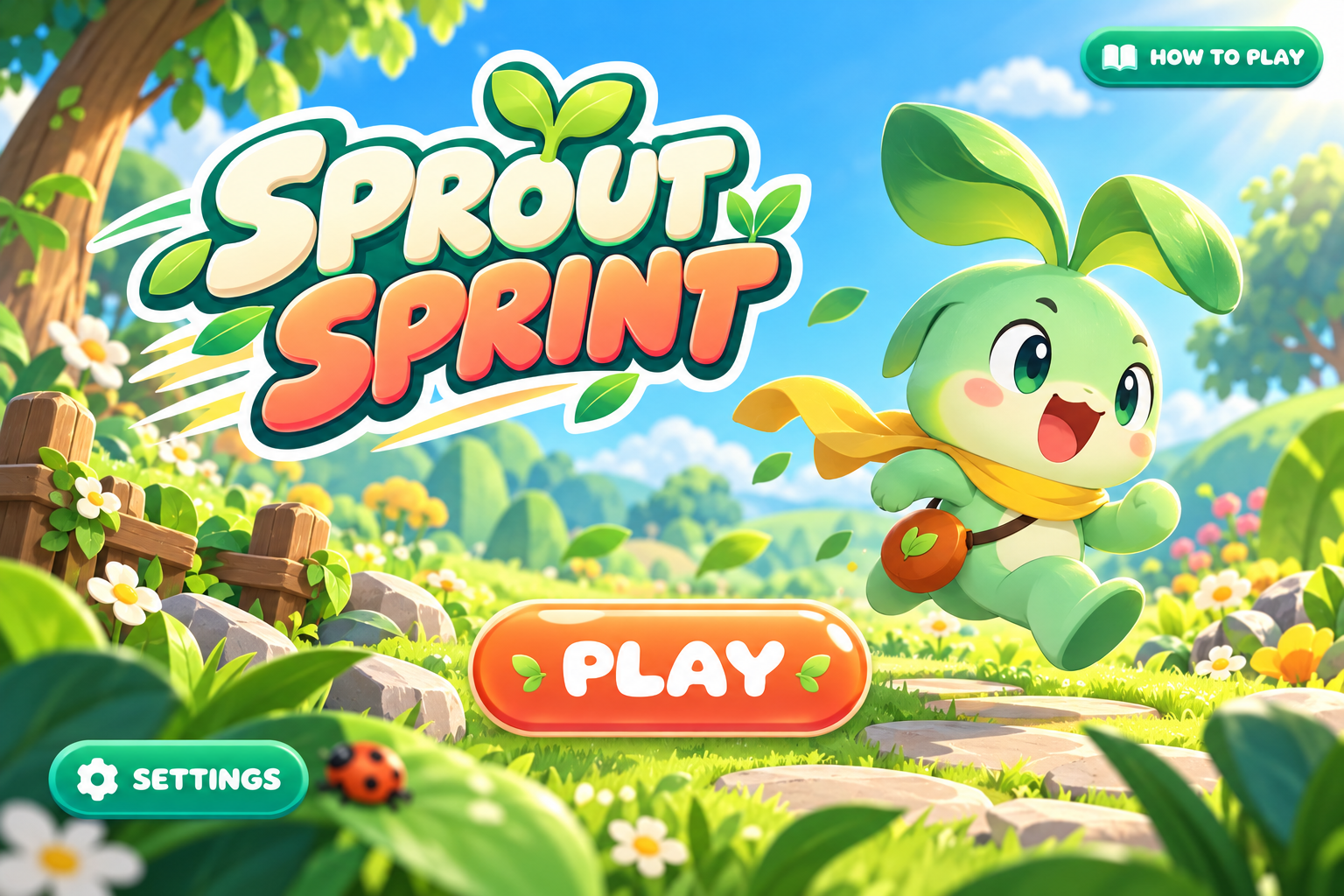
AI-recreated illustrations with fictional names and characters, rather than original screenshots. My role in the original projects covered game design, implementation and creative coordination.
A little background
Games taught me to work through an idea in a playable build. My work now crosses product decisions, content quality and implementation, with regular input from pedagogy, design, engineering and leadership.
Authoring, learning delivery, reporting and quality safeguards.
Game planning, implementation and freelance artist supervision.
Interactive learning applications, including AR/VR and simulations.
Gameplay systems and interactive prototypes across several studios.
I’d be happy to walk you through a project and my part in it.
Product direction / Prompt design / Review coordination
I worked with pedagogy to turn generated drafts into learning activities the team could review and use.
Activity creation required content writing and pedagogical judgment. Generated questions could become repetitive; a fluent passage could still be too simple for the intended learning task.
Pedagogy feedback showed that the instructions worked better than the generated passage. I proposed reviewing reusable instructions separately from passages and questions, then revised the passage prompt for another review. That gave us a more specific problem to work on than a single overall quality score.
I retained earlier prompt versions so the team could compare changes. When generated passages still risked falling short, I raised curated source material as a possible fallback. I also asked engineering to integrate finalised pieces while other content remained under review.
The initial generation engine was implemented and deployed by an engineering colleague. My contribution was the product direction, prompts, review process and coordination around delivery.
The internal release included reusable generators, guideline references and a how-to guide with a recording. The work supported content creation for English and Chinese programmes.
Approximate timing: I asked the pedagogy team for the baseline, timed the automated workflow and allowed ten minutes for a quick human review. This was a workflow comparison, rather than a controlled productivity study.
This case concerns content preparation and internal delivery. Learning outcomes and sustained team-wide time savings were not measured here.
Product design / AI-assisted implementation / Rollout
A learning path affects more than the next activity. Staff need to plan it, understand it and correct it when the real schedule gets in the way.
A course needed to support different ability levels while preserving a shared structure. School schedules brought different document formats, revised plans and calendar exceptions. Staff also needed to see what a learner had completed and why particular practice had been assigned.
An ambiguous content match needed a visible choice. A schedule importer was only useful if staff could inspect the proposed plan, resolve uncertain matches and understand what would actually be assigned.
I worked through the distinction between an activity’s source settings, course settings and class overrides. Staff needed flexibility without a change to one class silently changing another’s setup.
That same consistency mattered in reporting: activity lists, access and progress views needed to follow the learner’s actual assignment.
I iterated with pedagogy and customer-success colleagues on school requirements, investigated a live placement problem and continued improving staff reporting after the initial implementation.
This extended an existing platform built by multiple contributors. My focus was the curriculum and planning workflow and the staff surfaces around it.
The evidence here is delivered capability and operational follow-through. It does not establish a measured learning gain or reduction in support volume.
Prompt implementation / Pedagogy review / Design collaboration
Pedagogy flagged feedback that sounded mechanical, repeated itself or started too abruptly. I worked through the examples with them and turned that review into prompt changes.
The review covered tone, repetition and useful next steps, plus inconsistencies between an earlier assessment and a later feedback prompt. In related report work, teacher feedback also said the language was too technical for students and parents.
I raised cases where a later feedback step contradicted an earlier mark. That made consistency part of the review alongside tone. Rewording a comment should not quietly become another grading decision.
My three summary-prompt updates were merged in October 2025, followed by output-language changes in January 2026. An engineering colleague integrated level-based guidance into the wider grading and summary workflows.
The prompt changes were my direct implementation. Wider adaptive-language routing was engineering work; the report’s visual design was a collaboration.
On another learning workflow, I traced feedback cut off after an abbreviated title to a sentence splitter used by a filter. I fixed that path and worked on summary checks that were rejecting useful advice. My update to the team distinguished the fixed truncation from generic filler that still needed work.
These are implementation and review results. They do not establish an increase in learning outcomes or that every feedback issue was resolved.
Validation design / AI-assisted implementation / Recovery
Two totals can agree while the marks are attached to the wrong criteria or skills. I added checks that looked beyond the final number.
Generated grading preparation needed to preserve the original marking policy. A converted rubric could match a total while missing an attainable score or assigning marks to the wrong skill.
A generated answer could not become correct simply because a repair changed its expected label. Validation needed original attainable scores, explicit coverage limits and cases such as paraphrases or missing and contradictory evidence.
The workflow exposed validation evidence and blocked automatic acceptance when required checks failed. Tests exercised those guards and the available recovery actions.
The grading engines were existing platform capabilities. My work covered validation and recovery around them.
Defined validation cases establish workflow behaviour. A provider benchmark would be needed to make a model-accuracy claim.
Game design / Development / Creative supervision
My initial work at MeeOpp combined game planning, design and implementation. I also hired and supervised a freelance game artist and coordinated the creative handoffs around the game.

I worked across planning, gameplay and implementation, using playable builds to see how an interaction actually felt. I also led the Unity-to-Phaser and TypeScript migration for browser and mobile play, addressing device access and build size.
I onboarded the artist, briefed tasks, reviewed assets and coordinated how the artwork would fit the game and animation pipeline. The work included clarifying asset compatibility, reuse of frames and the formats another team needed.
During a limited-time campaign discussion, I raised the risk that a long extension could weaken the intended urgency. A colleague brought evidence that some learners had discovered the campaign late. We considered those needs together as part of the release discussion.
Artwork and backend work involved colleagues. The supervision described here concerns one freelance game artist. The campaign discussion is an example of collaborative judgment, rather than a claimed retention result.