An interaction has to work in someone’s hands.
My earlier career centred on casual and educational games. At MeeOpp, I planned, designed and implemented game experiences, then hired and supervised a freelance game artist.
That work made the relationship between product decisions, technical constraints and the experience on a learner’s device concrete.
What I owned.
I worked across game planning, design and implementation. I also onboarded the artist, briefed tasks, reviewed assets and coordinated how the work would fit with animation and the game. My broader game-development background includes gameplay systems and interactive prototypes across several studios.
The artwork was created by the artist and creative colleagues; backend work involved engineers. My role connected the game design, implementation and those handoffs.
Small decisions shape the experience.
Balance urgency with a fair chance to participate.
When a limited-time game campaign was discussed, I raised the risk that a long extension could weaken its intended urgency. A colleague brought evidence that some learners had discovered it late. We considered the trade-off together as part of the release discussion.
Work across the art handoff.
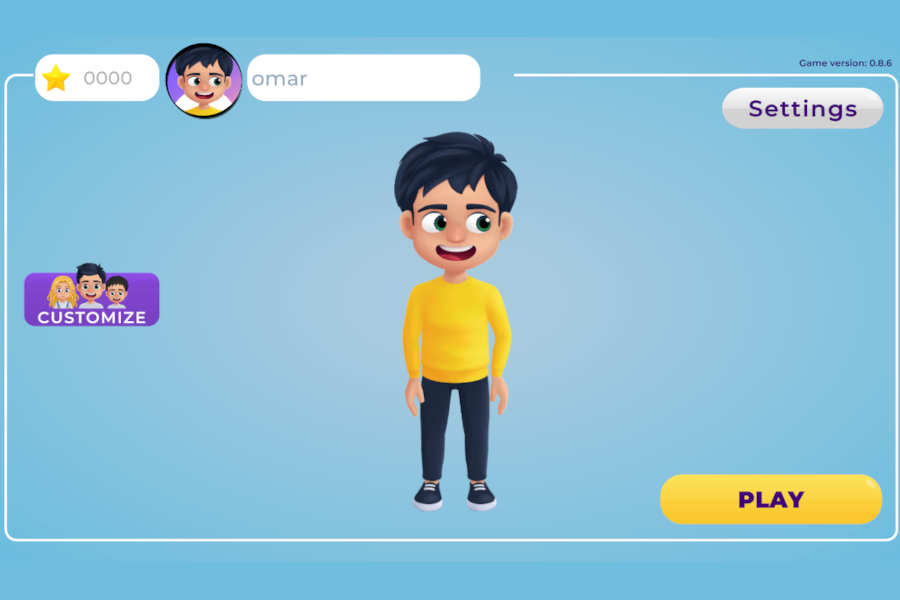
The detail mattered: whether an avatar asset would fit another body part, whether animation frames could be reused, and which export format the next team needed. I briefed those requirements, reviewed the work and coordinated changes with the animation team.
Improve the route to browser and mobile play.
I led the Unity-to-Phaser and TypeScript migration for MeeOpp games, enabling iPad and mobile play and reducing build size.
A foundation I still use.
The game work established experience across product design, implementation and creative collaboration. The migration addressed a practical barrier to access across devices.
What carries into AI product work.
Prototypes make assumptions visible. Working software exposes constraints that a description can miss. I bring that habit into AI product work, alongside the domain validation and quality checks those workflows require.
Game imagery comes from my earlier public portfolio. Current product stories use recreated interfaces and synthetic content.
Next case study
AI exercise authoring